
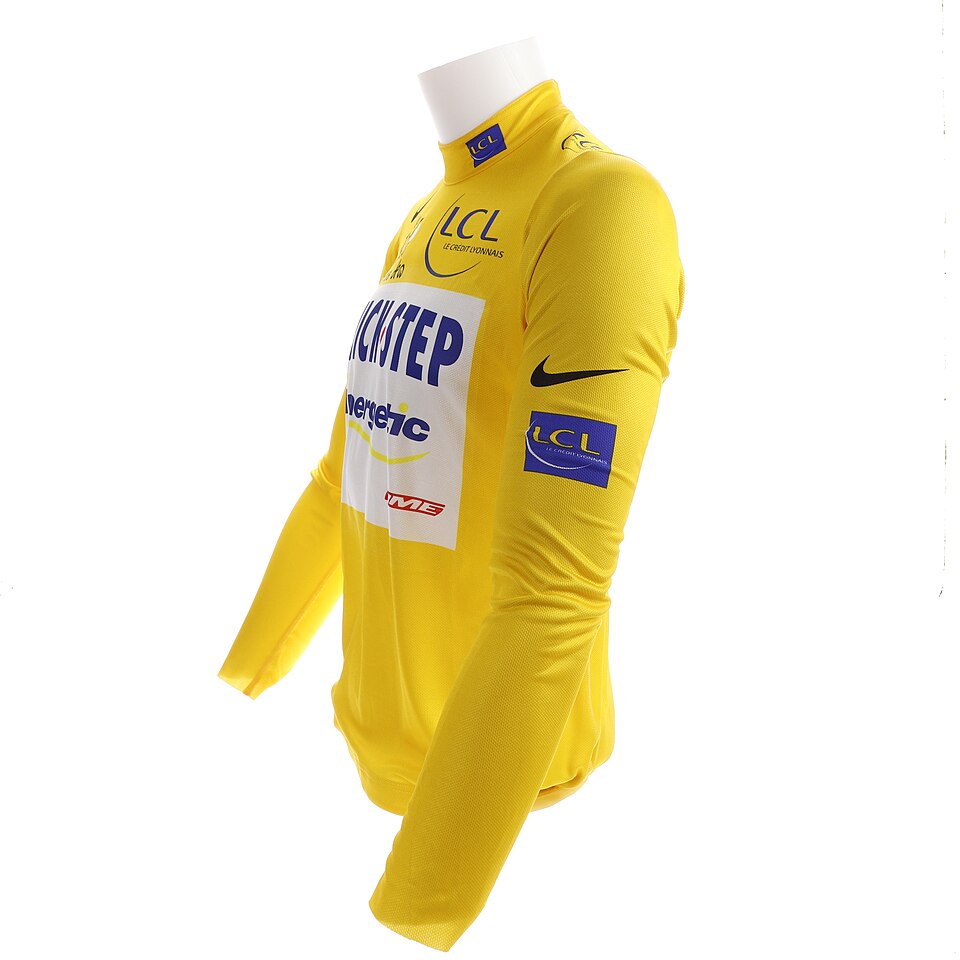
The Swoosh Eyes The Peloton Again: Nike Leaves The Door Open To A Cycling Comeback
Nike is cautiously rebuilding its connection with cycling after spending more than a decade away from a leading role in the professional peloton. The company has not announced a new title sponsorship or a full return to race clothing, but comments from one of its project managers have created genuine interest around its future intentions.
The possibility is supported by visible, smaller-scale activity rather than by a single confirmed major deal. Nike currently has lifestyle apparel relationships with riders and teams, including Demi Vollering, FDJ United-SUEZ and Visma-Lease a Bike. These agreements mainly concern clothing worn away from competition and should not be confused with supplying a team's official racing kit.
The most significant step is Nike's collaboration with Italian cycling footwear and apparel specialist Nimbl. That partnership has provided the American brand with a route back into the cycling market while limiting the risks of an immediate, large-scale investment. Further products are expected from the collaboration over the next one or two years.
Nike's history gives the story additional weight. The swoosh appeared on the Tour de France leaders' jerseys between 1996 and 2011, and the company was associated with teams such as US Postal, Discovery Channel and RadioShack. Its withdrawal left one of the world's most recognisable sports brands largely absent from elite road cycling.
The current message from the company is deliberately cautious. Nike says it is following professional cycling closely and considers different forms of involvement open for discussion. That indicates ambition, but it does not amount to confirmation of a new team sponsorship, a Tour de France agreement or a complete collection of competitive clothing.
The timing makes the situation particularly interesting. Professional cycling teams are seeking increasingly large commercial partners as budgets and rider salaries rise, while global brands value the international exposure offered by the Tour and the expanding women's calendar. Nike could bring considerable visibility, although any future project would need to demonstrate a clear commercial purpose.
For now, the safest conclusion is that Nike has started moving back towards cycling without yet committing to the centre of the professional sport. Its work with Nimbl and its lifestyle partnerships are real; a major return to the peloton remains a possibility. The next product announcements and any new sponsorship agreement will show whether the swoosh is preparing for a supporting role or a much bigger comeback.